
Tools and terms · · 3 min read
Website monitoring every minute: what it is
Monitoring every minute checks that the site responds. If something goes down, you do not find out from a customer. If something…
A daily backup means a copy of the site is saved every day, so it can be restored if something goes wrong.
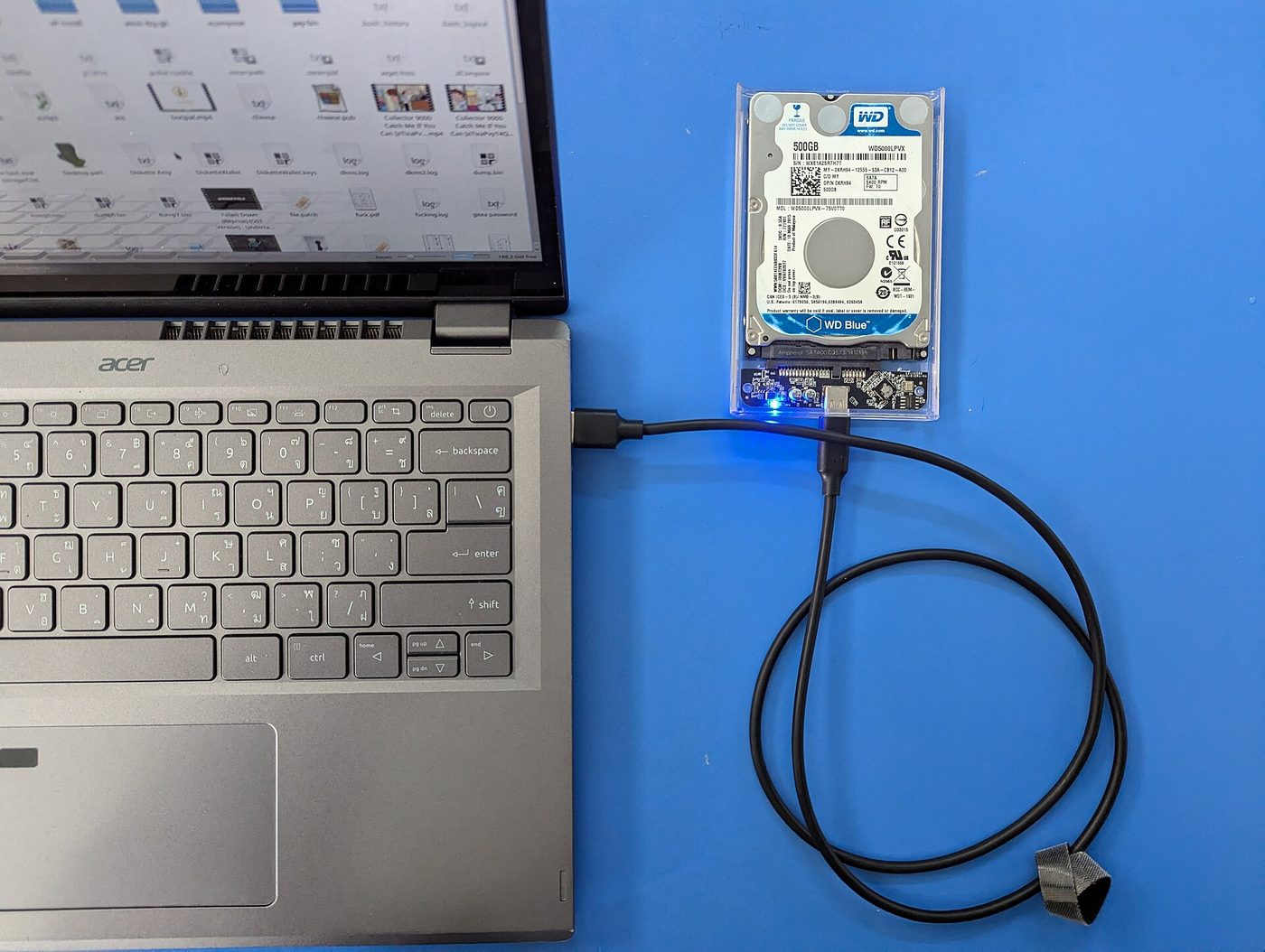
A backup is a copy of the site, files and database stored away from the live server. After an error, an attack or a slip, you can return to the state of the previous day or earlier.
For a business it is insurance against losing orders, content and time. A backup only makes sense if it is regularly tested that it can really be restored.
We handle backups as part of hosting.
It suits any site where things change.
A backup nobody has tried to restore may not work. We test restores.
We make backups regularly and store them away from the live server. We verify that the site can really be restored from them and how long a restore takes. A backup without a tested restore we do not consider a backup.
Most hosts also offer backups, but often only on the same server and with no guarantee. A separate backup elsewhere protects against the failure of the whole provider. The safest is a combination of both.
Depending on how often the site changes. Daily is enough for a company site, more often for a shop with orders.
Usually several weeks, so that an older state can be restored. We set the exact period as needed.
Yes. On request we hand you a copy of the site, so you depend on no one.
If you need help with this, take a look at our Websites.
Tools and terms · · 3 min read
Monitoring every minute checks that the site responds. If something goes down, you do not find out from a customer. If something…

Tools and terms · · 3 min read
The site is not built on heavy templates and plugins that slow loading and need constant updates. We write clean code made to…

Tools and terms · · 3 min read
An open agent that connects to a model running on your side as well as to cloud providers. A harness is a coding or assistant…
Send us your web address.
In two days you get one page back.
Got it. We will come back to you within two working days at the address we find for the domain. Or call us, that is faster.
We have opened a pre-filled e-mail for you. Just send it. Or simply call us.
Free, no obligation. We do not need access to any of your accounts.
How we handle your dataMatyáš Musela · 733 230 308 · Filip Berčík · 774 915 200 · aetheron@aetheron.cz · Prague
What people in your trade actually search for
How much of it reaches you today
What we would do first, and why